1xBet casino vs sportsbook line: what drives more traffic?
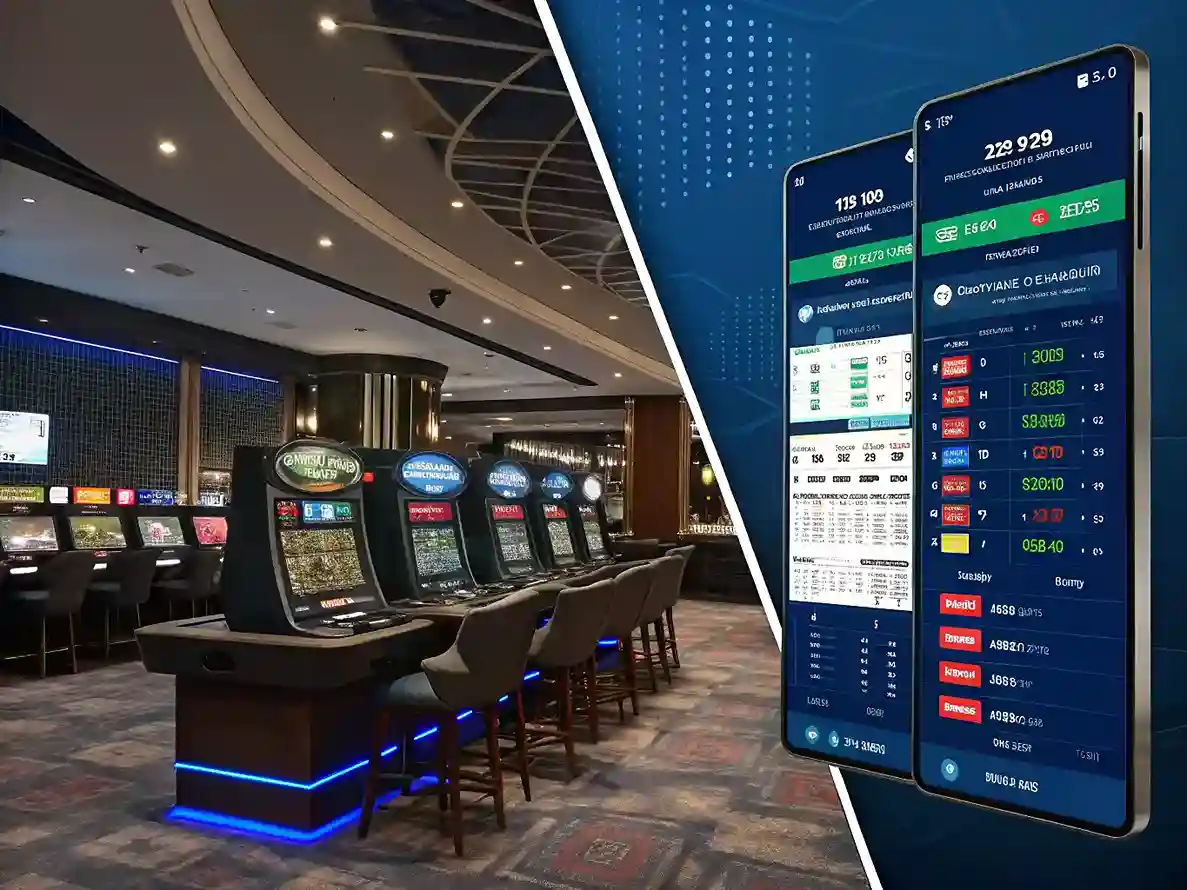
The modern betting platform is no longer built around a single habit. A user may arrive for a weekend football accumulator, stay for live roulette, return for a slots promotion, and then place an in-play tennis bet during the same session. That is why the old question of whether a brand is “mainly a casino” or “mainly a sportsbook” does not fully describe how traffic works anymore. On a platform like 1xBet, the sharper question is different: which side actually attracts more people, keeps them moving across the product, and creates repeat visits at scale?
The answer is not as simple as saying casino or sportsbook wins outright. Traffic comes in layers. One product may be stronger at acquisition, another may be stronger at frequency, and a third may be better at monetizing attention that has already been captured. When people compare the casino section with the bookmaker’s line, they often focus only on turnover or brand image. Traffic behaves differently. It depends on user intent, match calendars, search behavior, seasonality, session length, local regulation, mobile habits, and the strength of cross-sell inside the interface.
In practice, sportsbook lines often act as the front door because sport has a natural news cycle, search demand, and emotional pull tied to real events. The casino, however, can become the heavier engine of ongoing visits because it is always on, less dependent on calendars, and easier to package through bonuses, missions, and casual mobile play. To understand what likely brings more traffic to a platform like 1xBet, it helps to separate brand attraction from repeat activity and headline visibility from daily habit.
How traffic works on a hybrid betting platform
A hybrid platform lives on two different rhythms. The sportsbook is event-driven. Traffic rises when there is a Champions League night, a derby, a major UFC card, a Grand Slam match, or a busy weekend in domestic leagues. The casino works on a continuous cycle. It does not need a kickoff time, a referee, or a tournament bracket. Its strongest traffic moments are usually tied to promotions, new games, payday behavior, and short entertainment sessions that fit neatly into mobile use.
This difference matters because raw traffic is rarely one thing. There is search traffic, direct traffic, app traffic, referral traffic, affiliate traffic, social traffic, and internal traffic generated by users clicking from one product area to another. A sportsbook may dominate the first layer because sports users actively look for odds, fixtures, predictions, and live markets. A casino may dominate the second layer because once users are inside the platform, it can produce more screens viewed, more internal clicks, and more repeat sessions across the week.
Sportsbook traffic is also easier to attach to public attention. Big matches create spikes that are visible even outside the betting world. Fans read previews, compare odds, check injury news, and monitor live lines. That ecosystem naturally supports traffic generation. Casino traffic tends to be less visible in the public conversation, yet very strong inside the product because it can be stimulated every day without waiting for an external event.
Another key difference is audience motivation. Sports bettors often arrive with a purpose. They know the match, the market, or the price they want. Casino users are more likely to browse. They may begin with a game provider, a welcome offer, a slot theme, or just the desire for quick entertainment. Purpose-driven traffic is efficient, but browsing traffic can last longer and create more internal movement. For a platform owner, both forms matter because traffic is not only about arrival volume but also about how deeply users interact once they land.
This is where hybrid operators gain an edge. The brand can use sports to attract intent-rich visitors and the casino to stretch the session. A user who comes for odds can be shown featured games, drops, tournaments, or a live dealer tab. A casino player can be nudged toward live betting when a high-profile match is on. That loop does not make the comparison meaningless. It simply means the winning side depends on the metric being measured.
Why the sportsbook line often wins the first click
If the question is about which side is more likely to attract fresh attention, the bookmaker’s line has a strong advantage. Sports create recurring public demand. People search for odds before major matches, compare prices across bookmakers, look for accumulators, and follow live movement. Even users who do not think of themselves as regular gamblers can be pulled in by a final, a title race, or a derby. That broadens the traffic funnel in a way casino content usually cannot.
Search behavior plays a major role here. Sportsbook-related demand is naturally tied to keywords around teams, leagues, markets, and timing. Users can arrive because they want to know the price on a match, whether a total has moved, or what a same-game accumulator looks like. The intent is immediate and specific. That makes the sportsbook line a natural traffic magnet, especially during major sporting windows.
Brand association matters as well. Many global betting brands became famous through sport long before their casino sections grew into full-scale ecosystems. Stadium sponsorships, shirt deals, odds integrations in media, affiliate match previews, and app notifications tied to games all reinforce the sportsbook side of the brand. For many users, especially in football-heavy markets, the first mental association with 1xBet is still odds rather than slots.
The sportsbook also benefits from credibility through information density. When users see a deep line with pre-match and live markets across football, basketball, tennis, esports, and more, they often read that as a sign of scale. Even when they later move into casino products, the initial trust signal may have come from the betting interface. In other words, the line does not just attract clicks. It helps frame the platform as active, current, and rich in options.
There are several reasons why sportsbook traffic is especially powerful at the acquisition stage:
- It feeds on real-world events that already have mass attention.
- It matches clear search intent around odds, teams, and match timing.
- It benefits from media coverage, previews, and fan discussion.
- It creates urgency because prices change and games start soon.
- It gives users a reason to check back repeatedly during live play.
That advantage is real, but it has limits. Sportsbook traffic is uneven by nature. It can surge on matchdays and cool off between events. It can also vary sharply by season. Domestic football calendars, international tournaments, transfer periods, and playoff runs all shape the size of the audience. A platform can enjoy huge spikes through the line without necessarily turning that momentum into stable day-to-day traffic unless it has a strong second product waiting inside.
Why the casino can become the heavier retention engine
The casino side often looks less glamorous in public traffic discussions, yet it can be stronger where platforms quietly build habit. Unlike sports, casino content does not depend on a calendar. A slot, live blackjack table, or crash-style game is available whenever the user opens the app. This makes the casino exceptionally good at repeat visits, especially on mobile, where short sessions are common and friction must stay low.
Retention is where the casino often outperforms the sportsbook line. A sports bettor may come intensely around specific events and then disappear between them. A casino user can return several times a day. Promotions, free spins, cashback offers, missions, tournaments, and daily rewards all create routine. That routine is one of the most valuable forms of traffic because it smooths the peaks and valleys created by the sports calendar.
Casino design also encourages exploration. On a sportsbook, users usually know what they are looking for. In a casino, they may discover content through thumbnails, provider collections, jackpot banners, themed categories, recent-play rows, and autoplay habits. This creates more page depth and more opportunities for the platform to guide attention. A person who intended to play one game can easily move to another, then into live casino, then into a promotional page, all within a single session.
The relationship with mobile use is especially important. Casino products fit fragmented attention better than sports betting in many cases. A user does not need to read line movement, compare handicaps, or wait for a kickoff. They can open the app and start immediately. That convenience makes casino traffic extremely resilient, especially in markets where entertainment use dominates over analytical betting behavior.
The comparison becomes clearer when traffic is broken into practical dimensions:
| Traffic dimension | Sportsbook line | Casino section |
|---|---|---|
| New user attraction | Strong during major events and search peaks | Moderate unless boosted by offers or strong brand familiarity |
| Daily repeat visits | More irregular and event-based | Often stronger due to always-on access |
| Session purpose | High-intent, goal-focused | More browsing and discovery-driven |
| Seasonality | High | Lower |
| Mobile quick-play fit | Good for live betting, weaker for casual entry | Excellent for short sessions |
| Cross-sell potential | Strong into casino after bets are placed | Strong into sports during major live events |
This pattern explains why many platforms feel sportsbook-led from the outside but casino-heavy from the inside. The sportsbook may bring the user in, while the casino teaches the user to come back without waiting for a weekend fixture list. That does not mean every market behaves the same way. In some regions, sport remains the dominant daily habit because local culture revolves around football and accumulators. In others, casino engagement can become the primary engine of platform activity.
The broader point is that traffic quality changes over time. Acquisition traffic and retention traffic are not identical. A platform that performs well in both usually does so by letting each product do what it does best rather than forcing one side to replace the other.
Which product keeps users longer and moves them deeper
Traffic volume alone does not show who is winning. A platform also cares about dwell time, click depth, repeat entry, screen flow, and how effectively one visit leads to another. On those measures, casino products often have structural advantages. The interface is built to keep the user moving. There are lobbies, carousels, provider pages, live rooms, and constant promotional prompts. The experience is less linear than a sportsbook ticket journey and usually more immersive.
That said, sportsbook sessions can be extremely sticky when live betting is involved. A user who starts following an in-play market may stay through a large part of the event, monitor odds changes, cash-out opportunities, and related side markets. During busy evenings, especially in football and basketball, the line can create very high engagement. The problem is that such engagement is tied to the lifespan of the match. When the event ends, the session often ends with it.
Casino sessions behave differently. They can be shorter in individual bursts but more frequent across the day or week. This makes total engagement surprisingly high even if the average visit looks modest in isolation. A player may open the app on a lunch break, again in the evening, and once more after seeing a notification. That pattern builds a denser traffic curve over time.
Cross-navigation is another decisive factor. The strongest platforms do not treat casino and sportsbook as separate islands. They create bridges:
- Post-bet suggestions that push users toward featured games.
- Live event banners that encourage casino users to check a match.
- Unified wallets that remove friction between product areas.
- Personalized homepages that mix betting and gaming content.
- Bonus systems that reward activity across multiple sections.
When those bridges work well, the question shifts from which side wins to which side starts the motion and which side sustains it. Sportsbook can be a magnet for urgency and relevance. Casino can be the layer that transforms interest into routine. If the platform’s design is smart, it does not need a single winner every day. It needs the right handoff between the two.
From a pure content logic perspective, sportsbook users are often more selective, while casino users are more susceptible to interface architecture. That means the quality of design, recommendation systems, category layout, and promotional pacing matters even more on the casino side. A poorly organized casino will fail to convert sports traffic. A strong casino can absorb that traffic and turn it into frequent return behavior.
What likely brings 1xBet more traffic overall
If the question is framed as overall platform traffic, the most realistic answer is nuanced: the sportsbook line likely brings more top-of-funnel attention, while the casino likely generates a larger share of repeat, always-on internal traffic in many markets. Which side is “bigger” depends on whether one is measuring visibility, acquisition, or habitual usage.
For brand discovery and public demand, sportsbook has the edge. It is easier to market through live events, search interest, previews, affiliate content, and fan culture. It benefits from the emotional energy of sport, and that energy can create huge traffic spikes that a casino rarely matches in the same public way. When a major football match begins, the line becomes a destination.
For sustained user activity, casino has a strong case. It fills the quiet hours between matches, works every day, and suits short-form mobile behavior. It can create a steadier baseline of visits, especially when promotions and personalization are strong. That kind of baseline matters because platforms do not grow through spikes alone. They grow when users treat the app as a routine.
The most honest conclusion is that 1xBet probably receives its broadest front-door traffic from sportsbook-related intent, while the casino may account for a very substantial share of recurring platform usage and session depth. The side that “brings more traffic” changes depending on the lens:
If the lens is search demand and external attention, sportsbook is usually ahead. If the lens is ongoing engagement and repeat entry, casino can be just as important or even stronger. If the lens is revenue-linked traffic value, the answer becomes even more complex because high-frequency casino users and event-driven sports users behave very differently.
This is why the strongest operators invest heavily in both. They understand that sport creates moments and casino creates habit. One side talks to the calendar, the other talks to human routine. One side thrives on anticipation, the other on accessibility. Traffic grows fastest when both systems reinforce each other rather than compete for the same click.
The real winner is the product mix, not a single vertical
It is tempting to declare one clear champion, but that misses how hybrid betting brands actually work. Platforms like 1xBet are designed as ecosystems. The sportsbook line can generate broad attention, especially during high-profile fixtures and live betting windows. The casino can convert that attention into repeat behavior through constant availability, easier session entry, and stronger in-app browsing mechanics. Seen that way, the debate is less about superiority and more about function.
Sportsbook is the sharper acquisition tool because it attaches itself to events people already care about. Casino is the steadier retention tool because it does not need permission from the calendar. Together, they create a more durable traffic model than either could produce alone. A user who comes only for sport may not always return on Tuesday afternoon. A user who also engages with casino products might. A user who arrives through a slot ad may still place a live bet during a major tournament if the path inside the app feels natural.
For 1xBet, the smarter conclusion is that the sportsbook line likely wins the opening battle for visibility, while the casino often wins the war for frequency. That distinction matters for anyone trying to understand platform growth, not just brand identity. Traffic is not a single stream. It is a chain of entrances, habits, triggers, and returns. The platforms that scale best know how to make each vertical support the other without weakening its core appeal.
In that sense, asking whether casino or sportsbook brings more traffic is useful only if the metric is clear. If the goal is to understand what gets people through the door, the bookmaker’s line is probably the stronger answer. If the goal is to understand what keeps the lights on between major sporting peaks, the casino has a powerful claim. The deeper truth is that 1xBet benefits most when sports create the reason to arrive and casino creates the reason to stay.